Many people wonder why the Pink City is called Jaipur or what is meaning of Jaipur. It is a logical question. The city has been known by many variations of its current name. Some of the old ways of writing Jaipur were Jeypore, Jepar, Jaipoor, etc, to name a few.
The word Jaipur literally translates to the “City of Victory.” It is derived from the Sanskrit words ‘Jai’ which means victory referring to Maharaja Jai Singh II, the founder of the city and ‘Pur’ meaning city in Hindi or Settlement.
To answer this question about the meaning of Jaipur, we must first ask the following questions regarding the city name.
The word Jaipur is derived from Jai+Pur. The word Jai is derived from the founder of the city, Maharaja Sawai Jai Singh II and Pur is an old Indian suffix for the city name. In that respect, Jaipur is just one name like, Nagpur, Udaipur, Jodhpur, Kanpur, to name a few cities.
While the word “Jai” doesn’t require any explanation, the word “Pur” refers to the city or fort. The word owes its origin to Sanskrit, the ancient Indian language that predates Hindi. This information is available in common domain and is based on common belief.
It was a tradition that founders would name cities after themselves. This is also true for cities like Udaipur and Jodhpur. Therefore, the name Jaipur refers to the city founded by ruler Sawai Jai Singh II, a Kachhawa Rajput. So, in the process, Sawai Jai Singh II added his identity to the pink city by adding a few letters from his name. It is very difficult to segregate the identity of Jaipur from Sawai Jai Singh II. He has sealed the city’s fate and identity with himself.
The word Pur (पुर) originates from Sanskrit, the liturgical language of ancient India. In its earliest Vedic usage, Pur refers to a fortified town, a city, or a protective enclosure. Unlike the word “Nagar” which usually refers to a generic urban settlement, Pur historically implied a place of safety or a stronghold.
The use of “Pur” isn’t unique to the state of Rajasthan only, it serves as a historical marker across the Indian subcontinent and Southeast Asia.
Some examples of the usage of Pur:
Nagpur – City of Snakes
Kanpur – City of Karna or Lord Krishna
Singapore – Singapura or the city of the lion
While “Pur” is believed to be of Sanskrit origin, many Indian cities use the Persian suffix “Abad” like Ahmedabad or Hyderabad. “Abad” usually means a cultivated place or settlement. By using “Pur,” Maharaja Sawai Jai Singh II was leaning into a classical Indian identity.
“Pur” is especially significant because the city was one of the first planned cities in recent history.
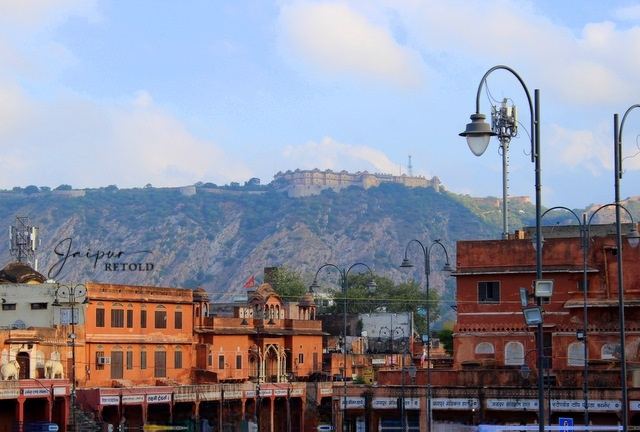
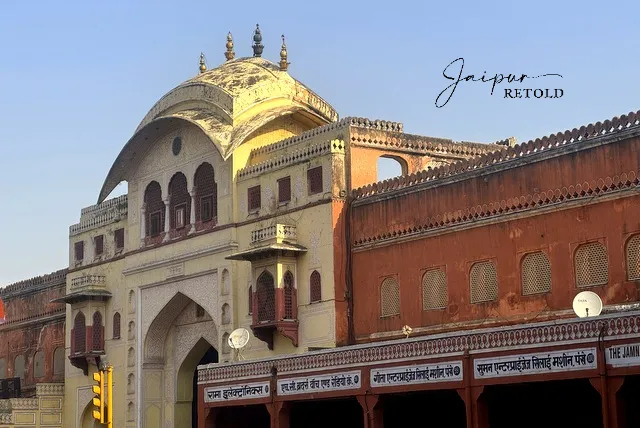
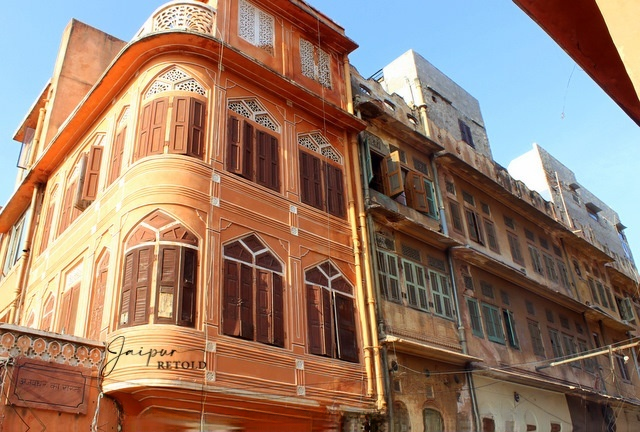
The Walled City – The “Pur” in Jaipur refers specifically to the original walled city, divided into nine blocks representing the Navratnas or nine gems based on the principles of Vastu Shastra and Shilpa Shastra.
Historically, the suffix also denoted a sense of belonging. To live in the “Pur” was to be a protected citizen of the Maharaja’s visionary urban project.
Today, the suffix “Pur” distinguishes the historical, cultural heart of the city from the modern sprawling suburbs. Jaipur has expanded beyond the walled city but the connection to “Pur” still exists with the original settlement of Maharaja Sawai Jai Singh II.
Did You Know?
In the Rigveda, one of the oldest texts in the world, the word Pur was used to describe the ramparts and forts of ancient civilizations. If you visit Jaipur today, you are literally walking through a “Vedic City” that was founded in 1727.
Beyond Forts & Palaces Walking Tour in Jaipur
Unraveling the Pink City Heritage Walk in Jaipur
Customized Walking Tour in Jaipur
Read Frequently Asked Questions
For more information & booking Contact Us