When asked the meaning of heritage, individuals often find themselves contemplating the most suitable response. Although a formal definition exists, comprehending how people perceive heritage and its significance is equally crucial. In essence, how do non-experts or laypersons interpret the concept of heritage?
If you were to search for the meaning of heritage, you will find the following definitions.
The Oxford English Dictionary defines ‘heritage as follows” the history, traditions, and qualities that a country or society has had for many years and that are considered an important part of its character”.
Cambridge defines heritage as “relating to buildings, places, works of art, etc. that are considered to have historical importance for a particular area or for all people”.
In a simple language, heritage is a legacy or something that we carry from the past. In the most conservative understanding of the word heritage, previously, it was construed as tangible things like built heritage, artifacts. etc. Now the word heritage also mean language, culture, food ,etc.
The meaning of heritage according to Collins include following among others
On a broader level, heritage means anything that was valued in the past and continues to be valued today by people. Therefore, heritage includes inheritances of culture, land & buildings, customs, and knowledge.
Heritage serves as a defining characteristic for both individuals and collectives. A universal mechanism where heritage fosters connections with our predecessors while imparting to subsequent generations those values we deem significant and worthy of preservation for posterity.
Tunbridge and Ashworth in Dissonant Heritage: The Management of the Past as a Resource in Conflict, believe heritage is a contemporary product shaped from history’ . This connects heritage with the past. However, this does not mean heritage is disconnected with the present. Heritage, as a current phenomenon, has always been present with us.
In short, heritage is a medium through which we connect with our history and culture.
we all do. Our individual choices, values, and preferences coalesce into tangible thoughts and actions. Ultimately, we humans decide what is important, what we need to preserve or discard. Our actions decide what we choose to leave behind us as a heritage legacy. Our actions shape the legacy we bequeath to posterity.
The Taliban’s destruction of the ancient Buddhist statue in Bamyan, Afghanistan, in 2001 stands as a stark example of the enduring impact such acts have on our heritage. Similarly, the obliteration of ancient architectural marvels in Palmyra, Syria, by ISIS has grave consequences for future generations. WWII saw widespread destruction of heritage structures and looting of art of immense value across Europe. Many cities like Warsaw in Poland, Rotterdam in the Netherlands, Dresden in Germany were completely destroyed. The old style buildings we see in many of these cities were rebuilt. The style of architecture is also an identity of land and its people.
Beyond the realm of structure, heritage encompasses a broader spectrum. It embodies buildings, objects, specific geographical locales, culture, traditions, religious practices, and more. I contend that heritage encapsulates everything transmitted from one generation to the next, forming an integral part of contemporary society, and deserving of protection and preservation for the benefit of future generations.
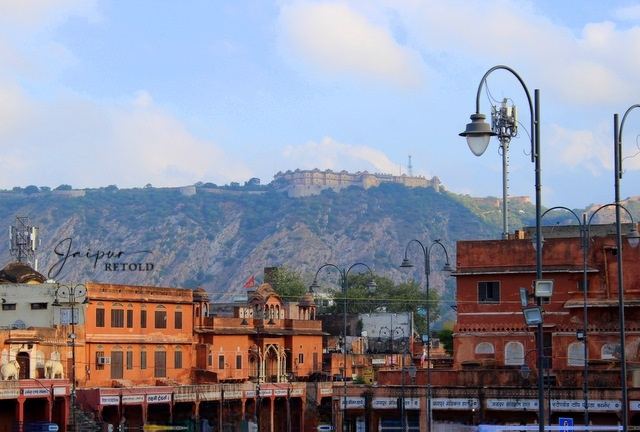
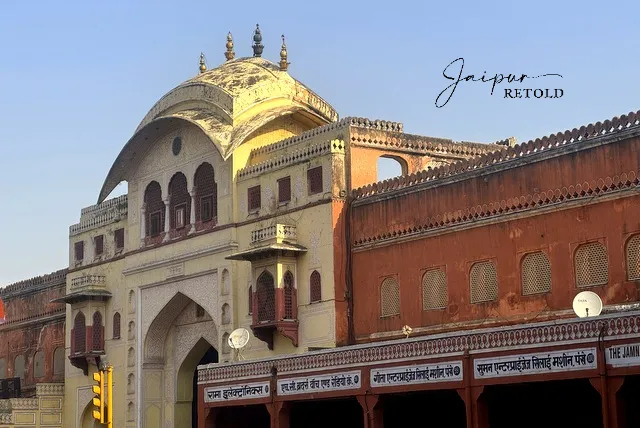
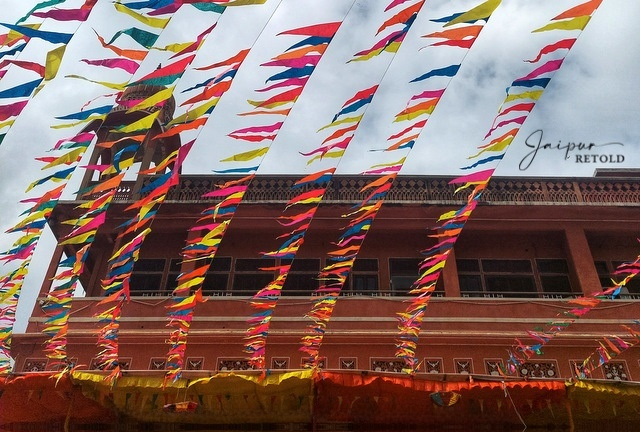
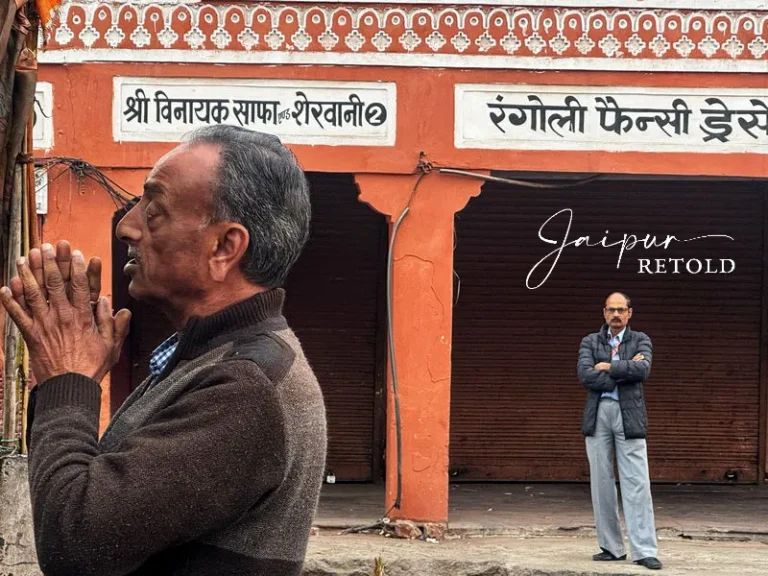
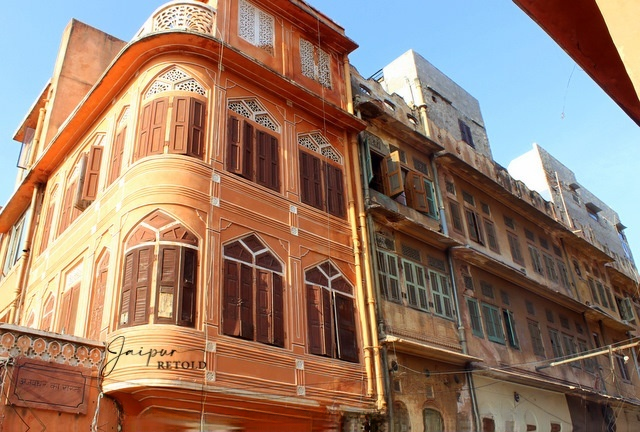
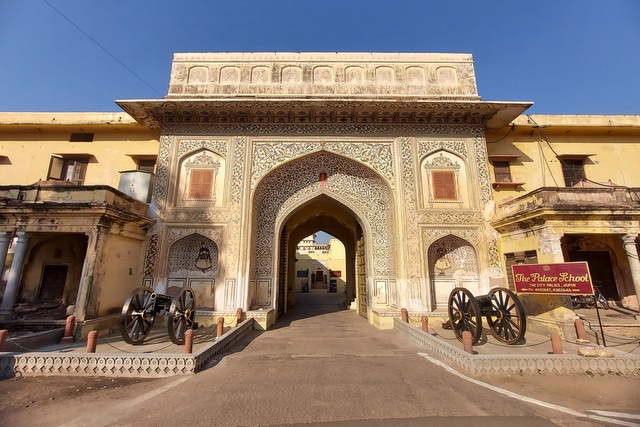
In Jaipur old’s city, one will find many small details in local architecture in all heritage building. The architecture is one of the strongest element one witnesses in Jaipur streets, a fact that I highlight a lot in my private Jaipur walking tours. Many say that Jaipur reminds them of a medieval city. And it is not just the heritage in architecture, even people on the street continue to wear the attire style their predecssors used to wear. One witnesses the camel cart, old utensils, or earthen pots. Heritage can be seen everywhere in the old city of Jaipur.
There are many ways one can experience heritage. Traditional folk dances and songs can be experienced with performances, built heritage can be experienced through exhibitions and heritage walking tours like guided heritage walking tour in Jaipur. Museums are also a good way to experience heritage. In Jaipur, we have many different types of museums.